
The Cost of Working From Different Versions of Reality
Modern projects involve more stakeholders, more data, and more complexity than ever before. Designers, architects, engineers, contractors, owners, and facilities teams all need access to accurate information about the spaces they work in. Yet many organizations still manage that information across disconnected systems, folders, and workflows.
The result is a surprisingly common problem: everyone believes they’re working from accurate information, but they’re often working from different information.
A floor plan may not reflect a recent renovation. Photos might be stored separately from project documentation. Existing drawings may be difficult to locate or verify. Team members spend valuable time determining which information is current before they can confidently move forward.
These aren’t headline-grabbing problems. They’re the everyday frustrations that quietly drain time from every project. A few extra emails. A missing file. An unnecessary site visit. A question that takes hours to answer instead of minutes. Individually, they’re small. Across dozens of projects, they can get really expensive.
Why This Matters More Now
For years, project documentation was created for a single purpose: complete the project and move on. But the lifecycle of a building has changed.
Buildings are being adapted to support new ways of working, changing occupant needs, modernization efforts, evolving sustainability initiatives, and entirely new uses. More updates and evolutions mean more documentation.
Teams are also more distributed. Stakeholders need access to information, and every project generates new drawings, photos, models, documents, and records that may be needed again months or years later.
The result is a growing disconnect between the amount of information organizations have and their ability to use it. Teams spend valuable time searching for files, verifying existing conditions, and recreating documentation that already exists somewhere in the organization.
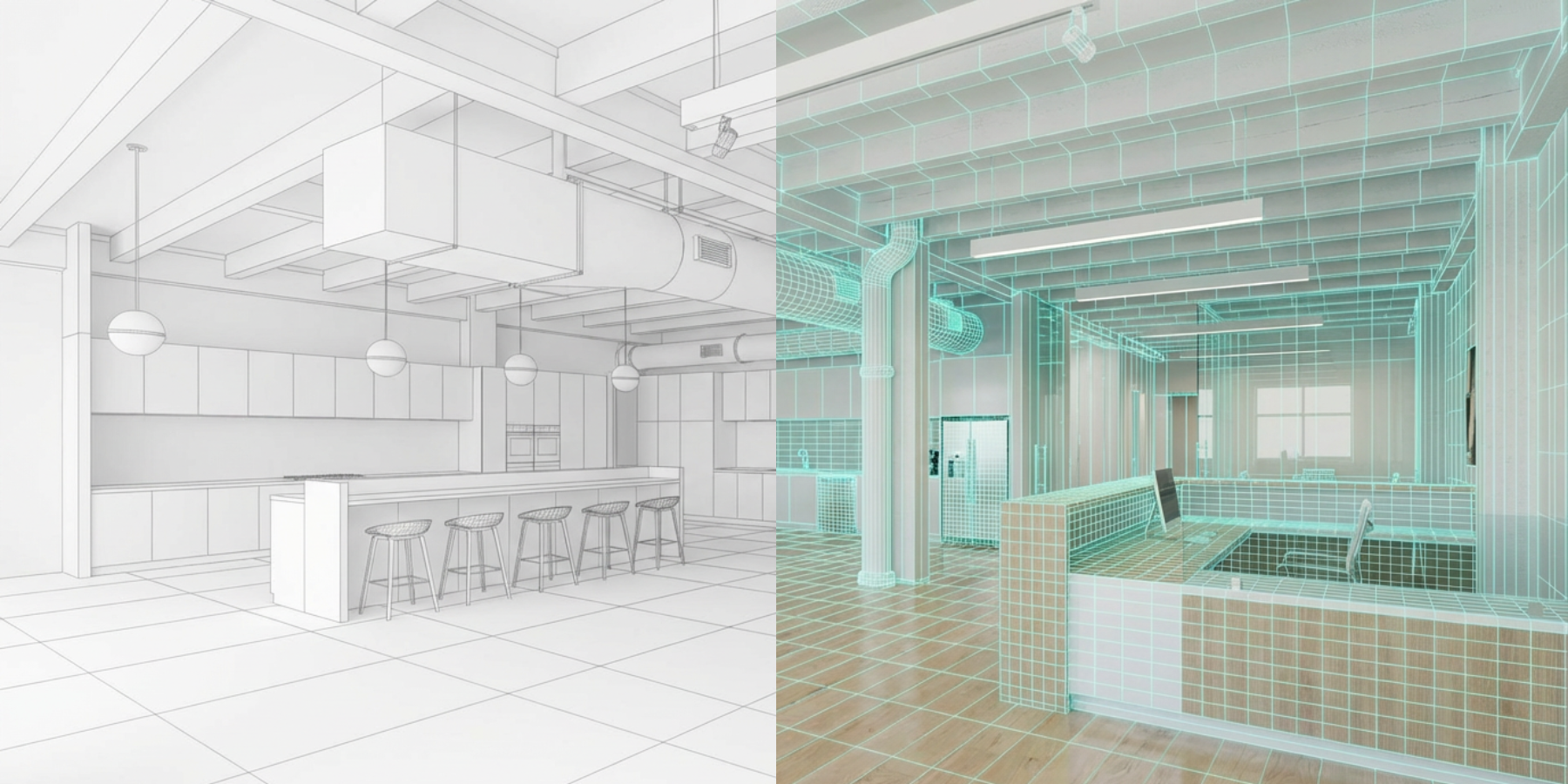
Collaboration works best when everyone starts from the same foundation. Designers need confidence in existing conditions before beginning a new layout. Contractors need reliable information before construction starts. Owners need visibility into what exists today and what has changed over time. And all of it depends on having accurate, design-ready files that teams can trust.
Moving Beyond Files
A file alone rarely tells the whole story. The questions that slow down projects usually aren’t hidden in the drawing itself. They’re hidden in the context surrounding it.
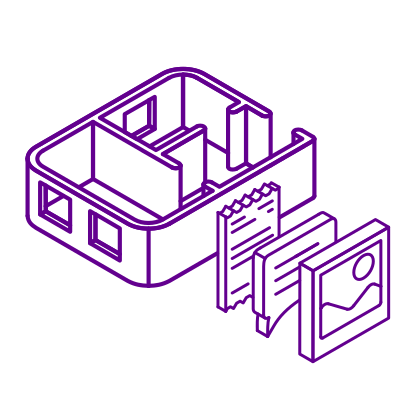
A complete understanding of a space also includes photos, field observations, historical documentation, project records, and the countless details captured throughout a building’s lifecycle. When those resources exist in separate locations, valuable context gets lost.
When they’re connected, something different happens. Teams can quickly understand existing conditions. Stakeholders can access the same information regardless of their role. Questions get answered faster because the supporting context is readily available. Instead of spending time searching for information, teams can spend time using it.
The Future Belongs to Connected Information
The organizations that get the most value from their information aren’t necessarily the ones collecting the most data. They’re the ones making that information accessible, connected, and useful. That’s what a shared understanding of a space creates: fewer assumptions, faster decisions, and a stronger foundation for every project that follows.
At Twindo, we help teams bring together accurate as-builts, photos, documents, and project information so everyone can work from the same source of truth.
Ready to stop searching for information and start using it? Create an account and see how Twindo helps teams build a shared understanding of their spaces.
FAQs
What does “shared understanding of a space” mean?
A shared understanding of a space means everyone involved in a project is working from the same accurate, up-to-date information. Instead of relying on scattered files, disconnected documentation, or outdated drawings, teams can access a complete picture of existing conditions, project information, photos, and as-builts in one place.
How does Twindo help create a shared understanding of a space?
Twindo brings together accurate, editable as-builts, photos, documents, and project information in one place. By connecting information about a space instead of leaving it scattered across systems and stakeholders, teams can work from a shared source of truth and make better decisions with greater confidence.
How is this different from simply storing files in a shared folder?
A shared folder can centralize storage, but it doesn’t necessarily connect information or provide context. A shared understanding of a space brings together the files, documentation, photos, and project data associated with a specific location, making information easier to access, understand, and use.